

As we age, maintaining heart health becomes increasingly important. For seniors over the age of 55, the risk of cardiovascular diseases such as hypertension, atherosclerosis, and heart attacks rises significantly. While lifestyle factors like exercise and diet play crucial roles, certain natural ingredients have gained attention for their potential heart benefits. Among these, bay leaves stand out as a simple yet powerful addition to senior health regimens.
Bay leaves, derived from the Laurus nobilis tree, have long been used in cooking for their subtle flavor and aroma. However, beyond culinary uses, they offer various health benefits attributed to their rich composition of antioxidants, vitamins, and minerals. These compounds contribute to antioxidant activity, reduce inflammation, and improve heart health.
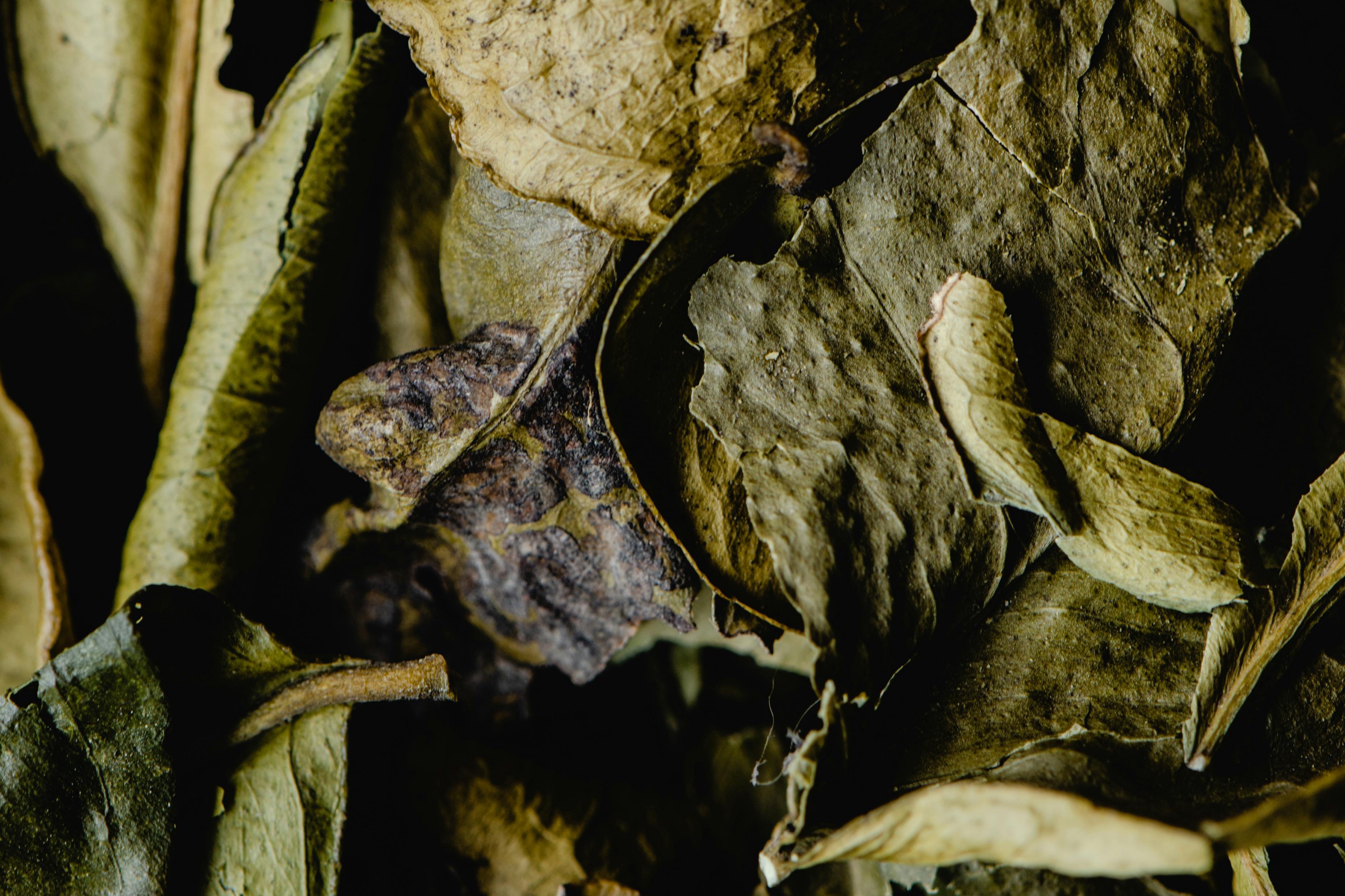
Research suggests that the antioxidants present in bay leaves can help lower oxidative stress—a key contributor to heart disease. Oxidative stress leads to damage in blood vessels and accelerates the progression of plaque buildup in arteries, known as atherosclerosis. By mitigating these effects, bay leaves can help maintain arterial flexibility and promote smoother blood flow.
One important active compound in bay leaves is eugenol, which has been shown to reduce inflammation and provide mild blood-thinning properties. These effects can help reduce blood pressure and prevent the formation of dangerous blood clots, both vital for seniors trying to maintain optimal cardiovascular health.
Moreover, bay leaves contain magnesium and potassium, minerals essential for regulating heart rhythms and blood pressure. Adequate intake of these minerals supports heart muscle function and helps prevent arrhythmias and hypertension.
Incorporating bay leaves into your diet is simple. You can add dried bay leaves to soups, stews, and sauces while cooking. Just remember to remove the whole leaves before serving, as they are tough and not meant to be eaten directly. For those seeking a more concentrated source, bay leaf extracts and supplements are also available, although it’s essential to consult your healthcare provider before starting any new supplement.
Alongside a balanced diet and regular exercise, bay leaves can be a helpful natural ingredient in supporting heart health after 55. As with any health strategy, consistency and a holistic approach are key to long-term benefits.
Summary: Seniors over 55 can benefit from adding bay leaves to their diet due to their antioxidant, anti-inflammatory, and mineral-rich properties, which support healthy blood pressure, reduce oxidative stress, and promote overall cardiovascular wellness.
Thanks for the detailed post! Are there any risks of taking bay leaf supplements along with blood pressure medication?
I’ve been adding bay leaves to my soups for years, and it’s great to know they might help my heart health as well!
Very informative article. Incorporating natural foods like bay leaves really complements a healthy lifestyle.